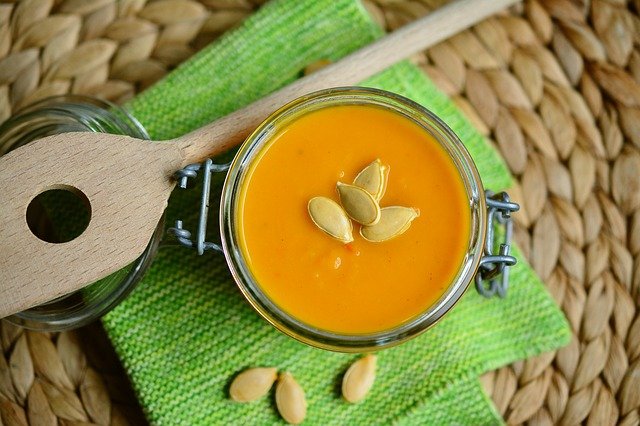
Canned Pumpkin for Dogs: A Nutritional Powerhouse or Just Hype?
In the ever-evolving world of canine nutrition, pet owners are constantly searching for ways to enhance their furry friends’ diets. One ingredient that has garnered significant attention in recent years is canned pumpkin. But is canned pumpkin dog food truly a nutritional powerhouse, or is it simply another fleeting trend? This article delves into the benefits, risks, and practical applications of incorporating canned pumpkin into your dog’s diet, offering a balanced and evidence-based perspective.
The Nutritional Profile of Canned Pumpkin
Before exploring the specific benefits, it’s crucial to understand what canned pumpkin actually contains. Unlike pumpkin pie filling, which is loaded with sugar and spices that are harmful to dogs, plain canned pumpkin is a relatively simple product. It is packed with essential nutrients, including:
- Fiber: A significant source of both soluble and insoluble fiber.
- Vitamin A: Crucial for vision, immune function, and cell growth.
- Vitamin C: An antioxidant that supports the immune system.
- Potassium: An electrolyte essential for nerve and muscle function.
- Iron: Necessary for red blood cell production and oxygen transport.
- Beta-Carotene: A precursor to Vitamin A, also acts as an antioxidant.
This robust nutritional profile makes canned pumpkin a potentially valuable addition to a dog’s diet, provided it is used correctly.
Benefits of Canned Pumpkin for Dogs
The potential benefits of feeding canned pumpkin to dogs are numerous, and many are backed by anecdotal evidence and veterinary recommendations. Here are some of the most commonly cited advantages:
Aiding Digestion
One of the most well-known uses of canned pumpkin is for managing digestive issues in dogs. Its high fiber content can help with both diarrhea and constipation. For dogs with diarrhea, the fiber absorbs excess water in the stool, helping to solidify it. Conversely, for constipated dogs, the fiber adds bulk and moisture to the stool, promoting easier passage. The fiber in canned pumpkin dog food also acts as a prebiotic, feeding beneficial gut bacteria, which contributes to overall digestive health.
Weight Management
For overweight dogs, canned pumpkin can be a valuable tool in weight management. Its high fiber content helps dogs feel fuller for longer, reducing the urge to overeat. By replacing a portion of their regular food with canned pumpkin, pet owners can lower their dog’s caloric intake without sacrificing satiety. This is especially beneficial for dogs on restricted diets. It’s essential to consult with a veterinarian to determine the appropriate amount of canned pumpkin to add to your dog’s diet for weight loss.
Source of Vitamins and Minerals
As mentioned earlier, canned pumpkin is a good source of essential vitamins and minerals. Vitamin A is vital for maintaining healthy vision and a strong immune system. Potassium is crucial for nerve and muscle function, ensuring proper bodily processes. The antioxidants present in canned pumpkin, such as Vitamin C and beta-carotene, help protect cells from damage caused by free radicals, potentially reducing the risk of chronic diseases.
Natural Dewormer?
While not a substitute for veterinary-prescribed deworming medication, some believe that the cucurbitacin in pumpkin seeds (also found in smaller amounts in the flesh) may help paralyze intestinal worms. This is a debated topic, and more research is needed to confirm its efficacy. However, some holistic veterinarians recommend incorporating small amounts of canned pumpkin into a dog’s diet as a supplementary measure alongside traditional deworming treatments. [See also: Natural Remedies for Dog Parasites]
Urinary Health
The antioxidants and moisture content in canned pumpkin can contribute to urinary health. Adequate hydration is essential for preventing urinary tract infections and crystal formation. The nutrients in canned pumpkin also support the overall health of the urinary system.
Potential Risks and Considerations
While canned pumpkin offers numerous benefits, it’s essential to be aware of potential risks and considerations before incorporating it into your dog’s diet:
Not all Canned Pumpkin is Created Equal
It is absolutely crucial to ensure that you are feeding your dog plain canned pumpkin, not pumpkin pie filling. Pumpkin pie filling contains added sugars, spices (such as nutmeg, which is toxic to dogs), and other ingredients that can be harmful. Always read the label carefully and choose a product that lists only pumpkin as the ingredient. Look for 100% pure canned pumpkin.
Moderation is Key
While canned pumpkin is generally safe, overfeeding can lead to adverse effects. Too much fiber can cause gas, bloating, and diarrhea. Start with small amounts and gradually increase the quantity as needed. A general guideline is to add 1-4 tablespoons per meal, depending on the size of your dog. Always consult with your veterinarian to determine the appropriate dosage for your dog’s specific needs.
Allergies and Sensitivities
Although rare, some dogs may be allergic or sensitive to pumpkin. If you notice any signs of an allergic reaction, such as itching, hives, swelling, or digestive upset, discontinue use immediately and consult with your veterinarian. It’s always a good idea to introduce new foods gradually to monitor for any adverse reactions.
Nutritional Imbalance
Canned pumpkin should be used as a supplement, not a replacement, for a balanced dog food. Relying solely on canned pumpkin for essential nutrients can lead to nutritional deficiencies. Ensure that your dog’s primary diet consists of a high-quality, commercially available dog food that meets their nutritional needs.
How to Incorporate Canned Pumpkin into Your Dog’s Diet
There are several ways to incorporate canned pumpkin into your dog’s diet:
- Mix it with their regular food: Simply add a spoonful or two of canned pumpkin to your dog’s kibble or wet food.
- Offer it as a treat: Some dogs enjoy eating canned pumpkin straight from the spoon.
- Use it in homemade dog treats: Canned pumpkin can be a great ingredient in homemade dog biscuits or frozen treats. [See also: Homemade Dog Treat Recipes]
- Add it to a bland diet: If your dog is experiencing digestive upset, a bland diet of boiled chicken and rice with a little canned pumpkin can be soothing.
The Verdict: Is Canned Pumpkin Dog Food Worth the Hype?
In conclusion, canned pumpkin can be a valuable and beneficial addition to a dog’s diet when used correctly. Its high fiber content makes it an effective remedy for digestive issues and a helpful tool for weight management. It also provides essential vitamins and minerals that support overall health. However, it’s crucial to choose plain canned pumpkin, use it in moderation, and be aware of potential allergies or sensitivities. Always consult with your veterinarian before making significant changes to your dog’s diet. When used responsibly, canned pumpkin can indeed be considered a nutritional powerhouse for your canine companion, but it’s not a magical cure-all. It’s one tool among many that can contribute to a happy and healthy dog.
Ultimately, the decision of whether or not to incorporate canned pumpkin into your dog’s diet is a personal one that should be made in consultation with your veterinarian. By understanding the benefits, risks, and proper usage of this versatile ingredient, you can make an informed choice that supports your dog’s well-being. Remember to always prioritize a balanced diet and regular veterinary care for the best possible outcome. The benefits of canned pumpkin dog food are numerous, but responsible use is key to maximizing these advantages.
