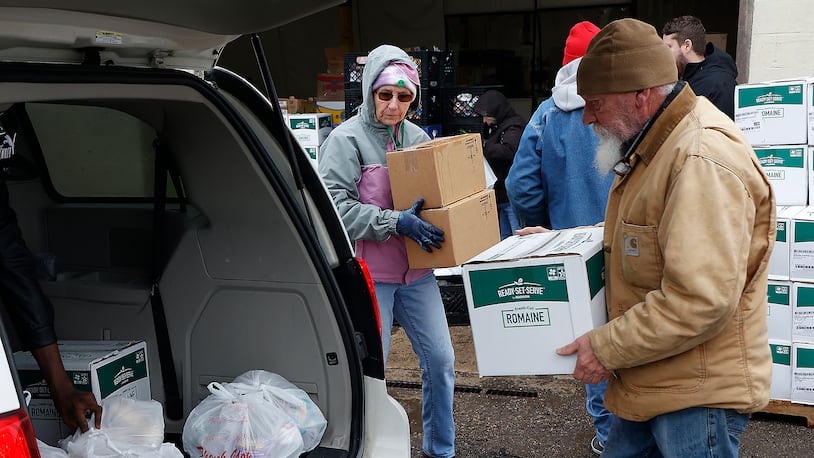
Fighting Hunger in Champaign County: The Role of the Champaign Food Bank
In Champaign County, Illinois, amidst the vibrant university atmosphere and thriving local businesses, a critical need persists: food security. The Champaign Food Bank stands as a vital resource, working tirelessly to combat hunger and provide essential support to individuals and families facing food insecurity. This article delves into the operations, impact, and importance of the Champaign Food Bank within the community.
Understanding Food Insecurity in Champaign County
Food insecurity refers to the state of being without reliable access to a sufficient quantity of affordable, nutritious food. Several factors contribute to this issue in Champaign County, including poverty, unemployment, low wages, and rising living costs. Students, seniors on fixed incomes, and working families often find themselves struggling to make ends meet, forcing them to make difficult choices between food, housing, healthcare, and other essential needs. The Champaign Food Bank addresses this multifaceted problem by providing a safety net for those who are vulnerable.
The Champaign Food Bank: A Comprehensive Overview
The Champaign Food Bank is a non-profit organization dedicated to alleviating hunger in Champaign County. It operates as a central hub for collecting, storing, and distributing food to a network of partner agencies, including food pantries, soup kitchens, shelters, and other charitable organizations. These partner agencies, in turn, provide direct assistance to individuals and families in need. The Champaign Food Bank’s mission extends beyond simply providing food; it also focuses on promoting nutrition education and advocating for policies that address the root causes of hunger. It is a critical component to maintaining stability for many people within the county.
Core Programs and Services
The Champaign Food Bank offers a range of programs and services designed to meet the diverse needs of the community:
- Food Distribution: The core function of the Champaign Food Bank is to acquire and distribute food to its partner agencies. This includes shelf-stable items, fresh produce, meat, and dairy products.
- Mobile Food Pantries: To reach underserved areas, the Food Bank operates mobile food pantries that deliver food directly to communities with limited access to traditional food distribution sites.
- BackPack Program: This program provides weekend meals to children at risk of hunger, ensuring they have access to nutritious food when school meals are not available.
- Senior Nutrition Programs: Recognizing the unique needs of seniors, the Food Bank supports programs that provide meals and groceries to elderly individuals with limited incomes.
- Nutrition Education: The Champaign Food Bank offers nutrition education programs to help individuals and families make healthy food choices and manage their resources effectively.
The Impact of the Champaign Food Bank
The impact of the Champaign Food Bank extends far beyond simply providing meals. By addressing food insecurity, the Food Bank contributes to improved health outcomes, enhanced educational attainment, and increased economic stability. When individuals and families have access to nutritious food, they are better able to focus on their health, pursue educational opportunities, and participate in the workforce. The Champaign Food Bank plays a pivotal role in creating a stronger, healthier, and more resilient community. The organization’s efforts directly contribute to reducing the negative consequences of hunger, such as malnutrition, chronic disease, and developmental delays in children. They provide a crucial lifeline for those struggling to make ends meet, allowing them to allocate their limited resources to other essential needs, such as housing, healthcare, and transportation.
The Champaign Food Bank is more than just a food distributor; it is a community hub that connects people in need with resources and support. The organization’s staff and volunteers work tirelessly to create a welcoming and supportive environment for those seeking assistance. They understand that food insecurity is often accompanied by feelings of shame and stigma, and they strive to treat every individual with dignity and respect. The Champaign Food Bank also collaborates with other community organizations to address the underlying causes of hunger, such as poverty, unemployment, and lack of access to affordable housing.
Challenges and Opportunities
Despite its significant contributions, the Champaign Food Bank faces ongoing challenges. Demand for food assistance often outstrips supply, particularly during economic downturns and times of crisis. Securing adequate funding and resources is a constant concern. Additionally, the Food Bank must adapt to changing demographics and emerging needs within the community. For example, they may need to expand their services to meet the needs of specific populations, such as refugees or individuals with disabilities. Despite these challenges, the Champaign Food Bank also has significant opportunities to expand its impact. By strengthening partnerships with local businesses, government agencies, and other non-profit organizations, the Food Bank can leverage resources and expertise to address hunger more effectively. Investing in technology and infrastructure can improve efficiency and streamline operations. Furthermore, the Champaign Food Bank can play a more prominent role in advocating for policies that promote food security and address the root causes of poverty.
How to Support the Champaign Food Bank
There are many ways to support the Champaign Food Bank and help fight hunger in Champaign County. Donations of food, money, and time are all greatly appreciated. Individuals can volunteer their time to sort and pack food, assist with mobile food pantries, or provide administrative support. Businesses can organize food drives or provide financial contributions. [See also: Volunteer Opportunities at the Champaign Food Bank] Government agencies can partner with the Food Bank to implement programs that address food insecurity. Every contribution, no matter how small, can make a difference in the lives of those struggling with hunger. By working together, we can create a community where everyone has access to nutritious food.
The Champaign Food Bank relies heavily on the generosity of the community to fulfill its mission. Financial donations are particularly valuable, as they allow the Food Bank to purchase food in bulk at discounted prices and to cover operational expenses. Food donations are also essential, but it is important to donate nutritious, shelf-stable items that are in high demand. Expired or damaged food cannot be accepted. Volunteering is another valuable way to support the Champaign Food Bank. Volunteers play a critical role in sorting, packing, and distributing food, as well as providing administrative support. The Food Bank offers a variety of volunteer opportunities to suit different interests and skill sets.
The Future of Food Security in Champaign County
Addressing food insecurity in Champaign County requires a multi-faceted approach that involves collaboration between government agencies, non-profit organizations, businesses, and individuals. The Champaign Food Bank will continue to play a vital role in this effort, providing a safety net for those in need and advocating for policies that promote food security. By investing in programs that address the root causes of hunger, such as poverty and unemployment, we can create a more equitable and sustainable food system. Furthermore, promoting nutrition education and empowering individuals to make healthy food choices can improve health outcomes and reduce healthcare costs. The Champaign Food Bank remains committed to working towards a future where everyone in Champaign County has access to nutritious food and the opportunity to thrive. The organization understands that achieving food security is a long-term goal that requires sustained effort and collaboration. They are dedicated to building strong partnerships with other community organizations and to advocating for policies that address the underlying causes of hunger.
Conclusion
The Champaign Food Bank is an indispensable resource for Champaign County, providing essential food assistance and support to individuals and families facing food insecurity. Its comprehensive programs, dedicated staff, and collaborative partnerships make it a vital force in the fight against hunger. By supporting the Champaign Food Bank, we can help ensure that everyone in our community has access to nutritious food and the opportunity to live a healthy and fulfilling life. The Champaign Food Bank is a beacon of hope for those struggling to make ends meet, and its work is essential to creating a stronger, healthier, and more resilient community. The Champaign Food Bank champions fighting hunger in Champaign County.
