Exploring the Vibrant World of Square Food Markets: A Culinary Adventure
Step into the bustling atmosphere of a square food market, a place where culinary traditions meet the energy of modern commerce. These markets, often located in the heart of urban centers, offer a sensory explosion of sights, smells, and tastes. From fresh produce to artisanal cheeses, from exotic spices to locally crafted delicacies, the square food market is a microcosm of a region’s culinary identity. This article delves into the unique charm and significance of these vibrant hubs, exploring their history, cultural impact, and the experiences they offer to both locals and tourists alike.
The Historical Roots of Square Food Markets
The concept of a square food market is not new. Throughout history, public squares have served as central locations for trade and commerce. In many European cities, these squares were originally designed as marketplaces, providing a designated area for farmers and merchants to sell their goods. Over time, these spaces evolved into vibrant social hubs, where people gathered not only to buy and sell food but also to exchange news and ideas. The square food market became an integral part of the community’s fabric.
Consider, for example, the historic markets of Europe. The Piazza Navona in Rome, once a stadium for athletic contests, transformed into a bustling marketplace in the 15th century. Similarly, the Grand-Place in Brussels, with its ornate guildhalls, has been a center of commerce since the Middle Ages. These squares, and countless others like them, provide a glimpse into the past, showcasing the enduring importance of food markets in shaping urban life. The modern square food market often draws inspiration from these historical precedents, seeking to recreate the sense of community and connection that characterized these earlier marketplaces.
A Modern-Day Culinary Kaleidoscope
Today’s square food markets are more than just places to buy groceries. They are dynamic spaces that reflect the changing tastes and preferences of contemporary society. Many markets now feature a diverse range of vendors, offering everything from organic produce and locally sourced meats to international cuisine and gourmet treats. This variety appeals to a broad spectrum of consumers, from those seeking healthy and sustainable food options to those looking for unique and exciting culinary experiences.
Furthermore, many square food markets have embraced the farm-to-table movement, connecting consumers directly with local farmers and producers. This direct connection allows shoppers to learn about the origins of their food and to support local businesses. In turn, farmers and producers benefit from increased visibility and the opportunity to build relationships with their customers. The emphasis on local and sustainable food practices has helped to revitalize many square food markets, making them more relevant and appealing to modern consumers.
The Sensory Experience
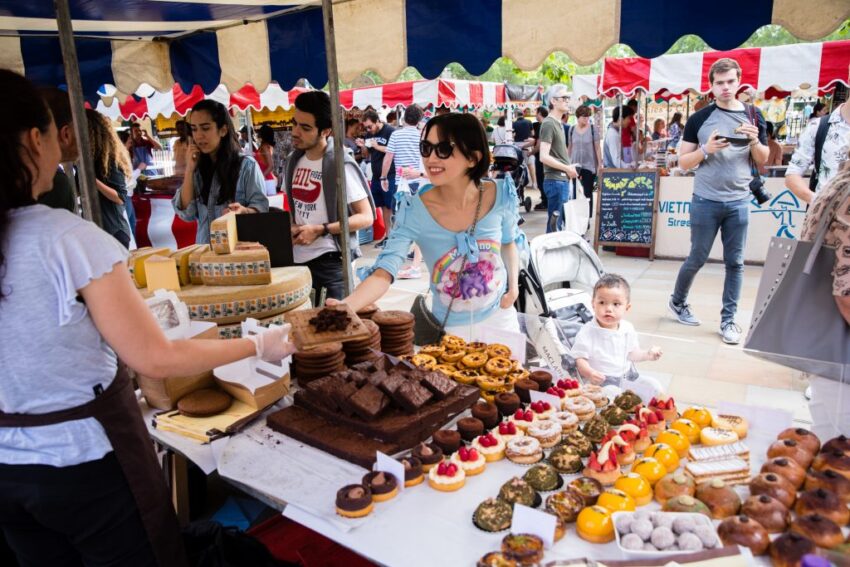
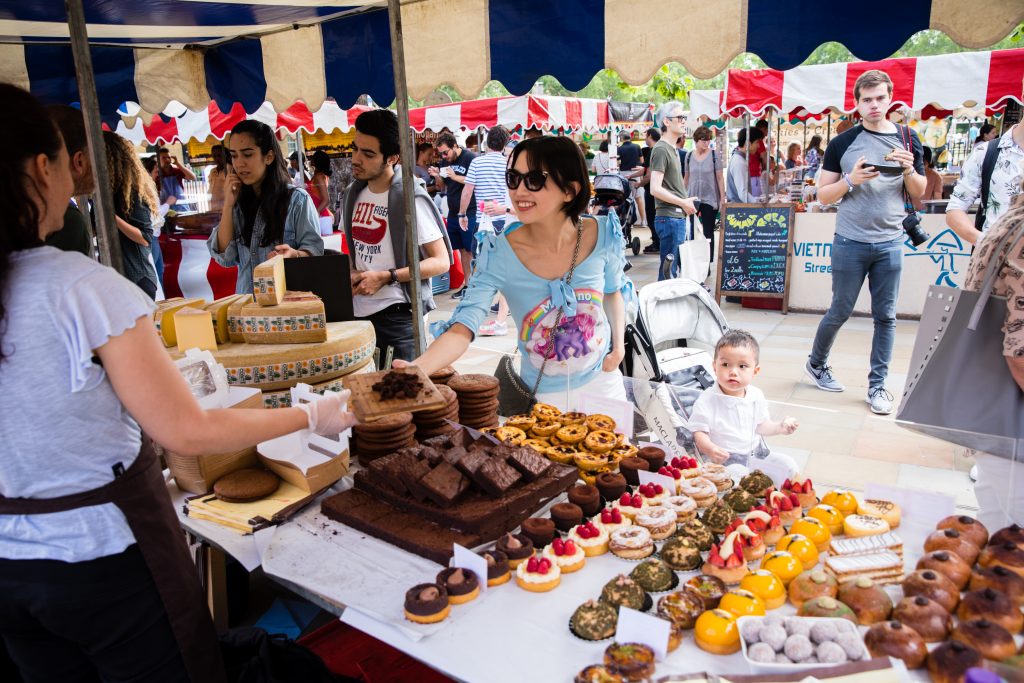
One of the most compelling aspects of a square food market is the sensory experience it offers. The vibrant colors of fresh fruits and vegetables, the enticing aromas of freshly baked bread and roasting meats, and the lively sounds of vendors hawking their wares all contribute to a stimulating and engaging environment. Unlike the sterile aisles of a supermarket, the square food market is a place where all five senses are engaged.
Imagine walking through a square food market on a sunny Saturday morning. The air is filled with the scent of ripe strawberries and freshly brewed coffee. The sounds of laughter and conversation mingle with the rhythmic calls of vendors promoting their products. You sample a piece of artisanal cheese, savoring its rich and complex flavors. You admire the vibrant displays of colorful produce, each item carefully arranged to catch the eye. This immersive sensory experience is what sets the square food market apart from other retail environments.
A Social Gathering Place
In addition to being a place to buy food, the square food market also serves as a social gathering place. People come to these markets not only to shop but also to socialize, to meet friends, and to connect with their community. Many markets feature seating areas where visitors can relax and enjoy a meal or a snack. Some markets also host live music performances, cooking demonstrations, and other events, further enhancing their appeal as social destinations. The square food market fosters a sense of community and belonging, creating a space where people can come together to celebrate food and culture.
The Economic Impact of Square Food Markets
Square food markets play a significant role in supporting local economies. By providing a platform for local farmers, producers, and artisans to sell their goods, these markets help to create jobs and generate revenue within the community. They also attract tourists and visitors, boosting local businesses and contributing to the overall economic vitality of the area. The economic impact of a thriving square food market can be substantial, particularly in smaller towns and rural communities.
Furthermore, square food markets can help to promote entrepreneurship and innovation. Many small businesses and startups use these markets as a testing ground for new products and ideas. By selling their goods directly to consumers, they can gather valuable feedback and refine their offerings. This entrepreneurial spirit contributes to the dynamism and diversity of the market, making it an exciting and engaging place to visit. [See also: Farmers Market Benefits]
Navigating the Square Food Market: Tips for Shoppers
To make the most of your visit to a square food market, consider the following tips:
- Arrive early: The best selection of produce and other goods is often available early in the morning. Arriving early also allows you to avoid the crowds.
- Bring cash: While some vendors may accept credit cards, many prefer cash. Having cash on hand will make your shopping experience smoother and more convenient.
- Talk to the vendors: Don’t be afraid to ask questions about the products. Vendors are often knowledgeable about their goods and can provide valuable information about their origins and uses.
- Sample the goods: Many vendors offer samples of their products. Take advantage of these opportunities to try new things and discover your favorites.
- Bring your own bags: To reduce waste, bring your own reusable shopping bags.
- Be prepared to bargain: In some markets, bargaining is expected. Don’t be afraid to negotiate a fair price.
- Explore the entire market: Take the time to wander through the entire market and discover all the hidden gems it has to offer.
The Future of Square Food Markets
Square food markets are poised to play an increasingly important role in the future of food systems. As consumers become more aware of the environmental and social impacts of their food choices, they are increasingly seeking out local, sustainable, and ethically produced options. Square food markets provide a direct connection between consumers and producers, allowing them to make informed decisions about the food they buy. The increasing popularity of these markets suggests that they will continue to thrive and evolve in the years to come.
Moreover, technology is playing an increasingly important role in the evolution of square food markets. Online platforms and mobile apps are making it easier for consumers to find and connect with local farmers and producers. Some markets are even offering online ordering and delivery services, expanding their reach and making it more convenient for customers to shop. [See also: Online Farmers Markets] These technological advancements are helping to ensure that square food markets remain relevant and competitive in the modern marketplace. The future looks bright for the square food market, a testament to its enduring appeal and its vital role in connecting communities with the food they eat.
Conclusion
The square food market is more than just a place to buy food; it’s a vibrant hub of community, culture, and commerce. From its historical roots to its modern-day manifestations, the square food market has played an important role in shaping urban life. Whether you’re a local resident or a tourist visiting a new city, a trip to the square food market is an experience not to be missed. So, the next time you’re looking for a unique and engaging culinary adventure, head to your nearest square food market and discover the flavors and traditions that make it so special. You’ll be supporting local businesses, connecting with your community, and enjoying some of the freshest and most delicious food around. The square food market awaits, ready to tantalize your senses and nourish your soul.
