A Culinary Journey: Exploring the Delicious Food in Croatia
Croatia, a land of stunning coastlines, historic cities, and vibrant culture, also boasts a rich and diverse culinary scene. From the seafood delicacies along the Adriatic coast to the hearty meat dishes inland, Croatian food offers a delightful journey for every palate. This article delves into the must-try dishes and regional specialties that define the gastronomic landscape of Croatia. Whether you’re a seasoned foodie or simply looking to explore new flavors, prepare to be captivated by the delicious food in Croatia.
Coastal Delights: Seafood and Mediterranean Flavors
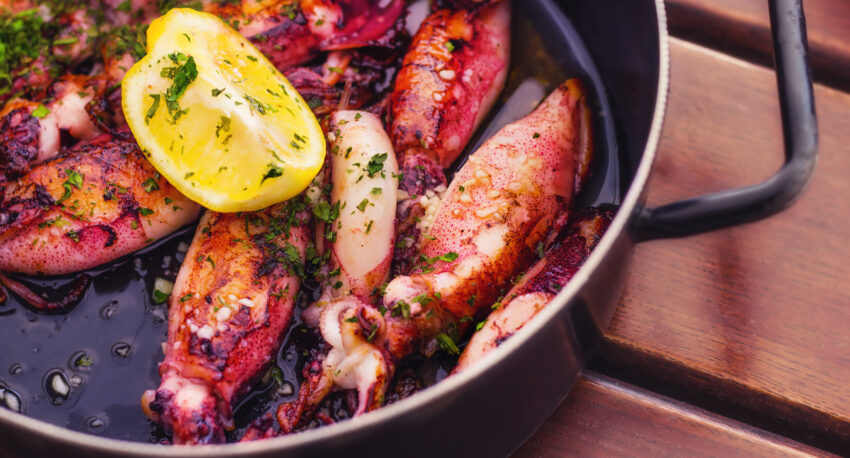
The Croatian coastline, stretching along the Adriatic Sea, is a treasure trove of fresh seafood. The Mediterranean influence is strong here, with olive oil, herbs, and locally sourced ingredients playing a central role in many dishes. Some of the most popular coastal delicacies include:
- Grilled Fish (Riba na gradele): Freshly caught fish, simply grilled with olive oil, garlic, and herbs. The simplicity allows the natural flavors of the fish to shine through.
- Black Risotto (Crni Rižot): A creamy risotto made with cuttlefish ink, giving it a distinctive black color and a rich, slightly salty flavor. Often served with grated Parmesan cheese.
- Oysters and Mussels (Kamenice i Dagnje): Freshly harvested from the Adriatic Sea, these shellfish are often enjoyed raw or simply steamed with garlic and white wine.
- Buzara: A seafood stew featuring mussels, shrimp, or other shellfish cooked in a flavorful tomato-based sauce with garlic, parsley, and white wine.
- Octopus Salad (Salata od hobotnice): Tender octopus marinated in olive oil, vinegar, garlic, and herbs. A refreshing and flavorful appetizer, perfect for a warm day.
The coastal regions are also known for their excellent olive oil, which is used generously in cooking and as a condiment. Local wines, such as Malvazija and Plavac Mali, complement the seafood dishes perfectly. Experiencing the food in Croatia along the coast is a must for any visitor.
Inland Indulgence: Meat and Hearty Dishes
Moving inland, the culinary landscape shifts to focus on hearty meat dishes and traditional recipes passed down through generations. The influence of Austro-Hungarian and Balkan cuisines is evident in the flavors and ingredients used. Some of the most popular inland dishes include:
- Peka: A traditional cooking method where meat (usually lamb, veal, or octopus) and vegetables are slow-cooked under a bell-shaped lid covered in embers. This results in incredibly tender and flavorful dishes.
- Štrukli: A savory pastry filled with cottage cheese and sour cream, baked or boiled. A popular dish in the Zagorje region.
- Soparnik: A thin savory pie filled with Swiss chard, onions, and olive oil. A specialty of the Poljička Republic near Split.
- Kulen: A spicy smoked sausage made from pork, seasoned with paprika and other spices. A specialty of Slavonia.
- Čobanac: A hearty meat stew made with various types of meat, such as beef, pork, and lamb, cooked in a rich paprika-based sauce.
The inland regions are also known for their excellent cured meats, cheeses, and wines. Exploring the food in Croatia inland offers a different but equally rewarding culinary experience.
Regional Specialties: A Taste of Croatia’s Diversity
Croatia’s diverse regions each offer their own unique culinary specialties. From Istria to Dalmatia, Slavonia to Zagorje, there’s always something new to discover. Here are a few regional highlights:
Istria
Known for its truffles, olive oil, and seafood, Istrian cuisine is a blend of Italian and Croatian influences. Try fuži (a type of pasta), pljukanci (another type of pasta), and dishes featuring truffles. The Istrian prosciutto is also highly regarded.
Dalmatia
Dalmatian cuisine focuses on fresh seafood, olive oil, and locally grown vegetables. Dishes like pašticada (braised beef in a sweet wine sauce) and gregada (fish stew) are must-tries. The Dalmatian prosciutto is also famous.
Slavonia
Slavonian cuisine is hearty and flavorful, with a focus on meat dishes and paprika. Try kulen (spicy smoked sausage), čobanac (meat stew), and fiš paprikaš (fish stew). The Slavonian wines, such as Graševina, are also worth exploring.
Zagorje
Zagorje cuisine is known for its hearty stews, pastries, and cheeses. Try štrukli (cheese pastry), purica s mlincima (turkey with flatbread), and sir i vrhnje (cheese and sour cream).
Sweet Treats: Croatian Desserts
No culinary journey is complete without indulging in some local desserts. Croatian desserts are often simple but delicious, featuring ingredients like nuts, fruits, and honey. Some popular options include:
- Fritule: Small fried doughnuts, often flavored with citrus zest and raisins.
- Kremšnita: A creamy custard cake, particularly popular in Samobor.
- Palačinke: Thin pancakes, similar to crepes, filled with jam, chocolate, or cheese.
- Baklava: A sweet pastry made with layers of filo dough, nuts, and syrup.
- Rožata: A creamy custard dessert, similar to crème brûlée, flavored with rose liqueur.
The Croatian Dining Experience
Dining in Croatia is more than just enjoying the food in Croatia; it’s about experiencing the culture and hospitality of the country. Many restaurants, known as konobas, offer traditional Croatian cuisine in a relaxed and informal setting. These establishments often feature local wines and live music, creating a truly authentic dining experience. It is important to note that tipping is customary, usually around 10-15% of the bill.
Food Festivals and Markets
Throughout the year, Croatia hosts numerous food festivals and markets that showcase the country’s culinary delights. These events offer a great opportunity to sample local specialties, meet local producers, and learn more about Croatian cuisine. Some popular food festivals include the Oyster Festival in Ston, the Truffle Days in Istria, and the Wine Days in various regions.
The Importance of Local Ingredients
Croatian cuisine places a strong emphasis on using fresh, local ingredients. Farmers’ markets are a common sight in many cities and towns, offering a wide variety of seasonal fruits, vegetables, cheeses, and meats. Supporting local producers is not only beneficial for the economy but also ensures the quality and freshness of the food in Croatia.
Adapting to Dietary Needs
While traditional Croatian cuisine often features meat and dairy products, it is becoming increasingly easier to find vegetarian and vegan options. Many restaurants now offer plant-based dishes, and there are also specialized vegetarian and vegan restaurants in larger cities. When dining out, it is always a good idea to inquire about the ingredients and preparation methods to ensure that the dish meets your dietary needs.
Preserving Culinary Traditions
Efforts are being made to preserve Croatia’s culinary traditions and promote the use of local ingredients. Many organizations and initiatives are working to educate people about the importance of preserving traditional recipes and supporting local producers. This helps to ensure that future generations can continue to enjoy the delicious food in Croatia.
Conclusion: A Culinary Adventure Awaits
Exploring the food in Croatia is an adventure in itself. From the fresh seafood along the coast to the hearty meat dishes inland, Croatian cuisine offers a diverse and flavorful experience for every palate. Whether you’re a seasoned foodie or simply looking to try something new, Croatia’s culinary scene is sure to delight. So, pack your bags, bring your appetite, and get ready to embark on a culinary journey through this beautiful country. Don’t miss the opportunity to savor the authentic flavors of Croatia and discover the unique culinary traditions that make this country so special. The rich and diverse food in Croatia truly reflects its history, culture, and natural beauty. Consider visiting a local market to experience the fresh ingredients firsthand, or taking a cooking class to learn how to prepare traditional Croatian dishes. You won’t regret it!
[See also: Croatian Wine Regions]
[See also: Best Restaurants in Zagreb]
[See also: Exploring Croatian Culture]
